General Contractor: Your Trusted Specialist for Home Undertakings
A general contractor performs an important role in residential undertakings. They supervise numerous aspects of building, making sure that operations proceed without issues. Their expertise in construction standards and regulations enables them to navigate the difficulties of permits and inspections. This skilled professional functions as an important connection between clients and trade specialists. Yet, many homeowners remain unsure about the full extent of their services. Understanding these particulars can greatly affect the achievement of any remodeling undertaking.
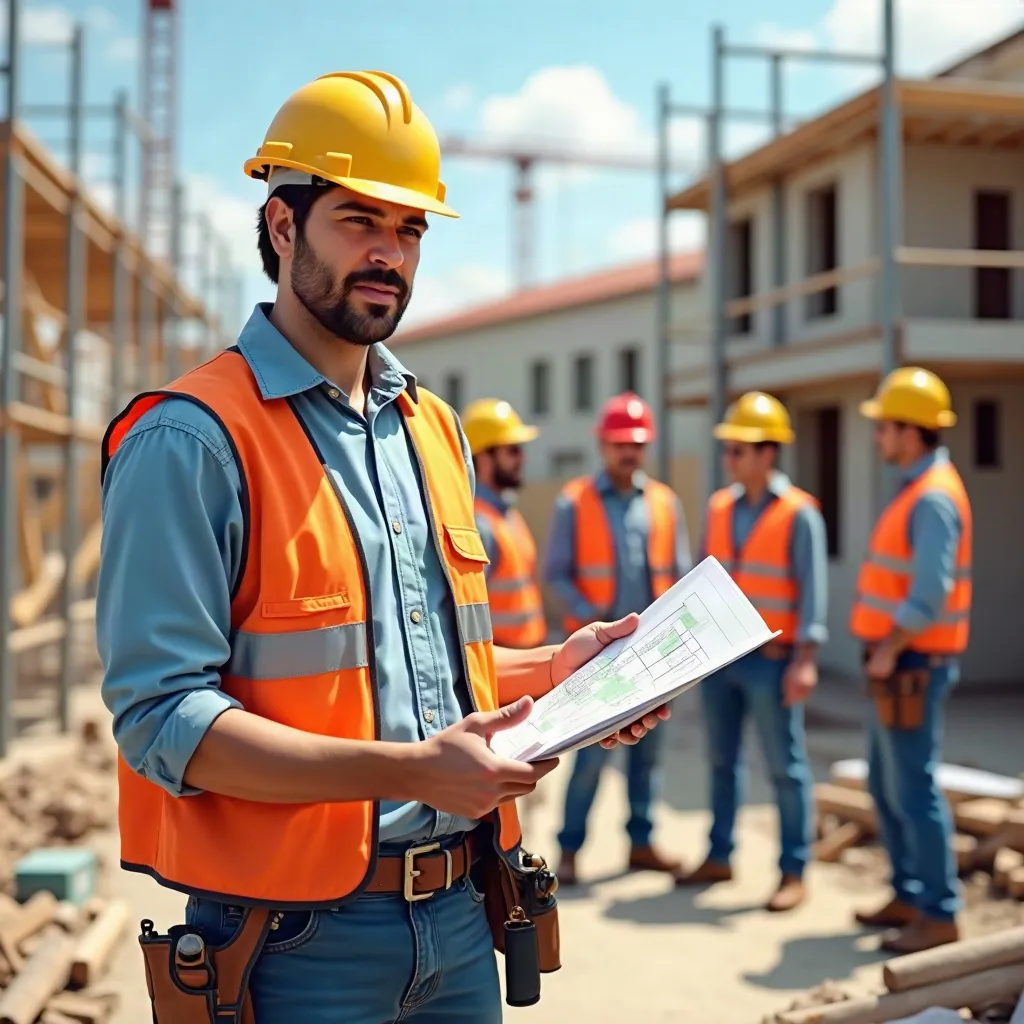
Which Responsibilities Does a General Contractor Perform?
A general contractor coordinates the various elements of a development project, ensuring that processes proceed efficiently from commencement to conclusion. They perform as the primary point of contact, facilitating communication between clients, independent contractors, and suppliers. This role involves planning the execution plan, mobilizing labor, and ensuring observance with local building codes and regulations.
General contractors are in charge of obtaining necessary permits and scheduling inspections, which are essential to maintaining safety and quality standards. They also manage budget planning, material procurement, and overseeing site operations to prevent any possible setbacks or complications. In addition, they supervise subcontractors, making sure that each phase of construction aligns with project specifications and timelines. Overall, a general contractor's knowledge and management abilities are crucial for completing a successful construction project, turning a client's vision into reality while balancing multiple tasks and responsibilities.
Bringing on a a skilled builder for home renovations offers numerous benefits that can greatly improve the quality and efficiency of the renovation. General contractors bring knowledge in overseeing projects, ensuring deadlines are honored and resources are allocated effectively. Their strong relationships with subcontractors can produce competitive rates and superior workmanship, which ultimately helps property owners money and time.
Additionally, construction professionals manage the detailed aspects of documentation and quality checks, curbing likely regulatory complications. They also establish a single point of contact, streamlining communication and coordination among assorted contractors. This streamlining diminishes the risk of miscommunications and interruptions.
Moreover, their background permits them to predict potential challenges, enabling proactive solutions to maintain the project on track. By retaining a general contractor, homeowners can prioritize their vision while enjoying peace of mind, knowing that a professional is supervising every aspect of the renovation.
Debunking Misconceptions About Construction Contractors
Many property owners may hold misconceptions about general contractors, but understanding the realities can lead to more informed decisions. A common myth is that hiring a contractor is unnecessary for small projects; yet, their expertise can streamline even minor renovations, ensuring compliance with local codes. Another common belief is that contractors are simply middlemen, but they usually possess extensive knowledge in different specialties, allowing them to supervise projects efficiently. Furthermore, some clients think that collaborating with a contractor will dramatically raise costs. In truth, a skilled general contractor can often attain better pricing for materials and labor due to firm relationships with vendors and subcontractors. Lastly, many believe that contractors are unadaptable, but esteemed contractors emphasize client communication and work closely to fulfill specific needs. Debunked myths can empower homeowners to make the most of the true value of general contractors in completing effective home projects.
How to Pick the Right General Contractor?
How can property owners ensure they choose the ideal construction professional for their projects? The process begins with comprehensive investigation. Homeowners should obtain recommendations from friends, family, and online reviews to locate qualified contractors. Once a list is compiled, verifying credentials, such as licensing, insurance, and bonding, is vital to confirm credibility.
Next, property owners should ask for and examine portfolios of previous work, focusing on assignments of comparable size. Setting up interviews allows homeowners to assess fit, covering timelines, budgets, and expectations. It's also advisable to obtain multiple quotes for evaluation, offering a clear understanding of expenses.
Assessing references offers understanding of a contractor's reliability and professionalism. Ultimately, following your intuition is crucial; an opening discussion can reveal much about a contractor's communication style and approach. By following these steps, homeowners can markedly increase their chances of selecting a general contractor who aligns with their requirements and aspirations.
Proven Communication Methods With Your General Contractor
How can homeowners apply techniques to guarantee productive dialogue with their general contractor? Initiating direct engagement from the start is essential. Homeowners must clearly express their goals, project targets, and budget constraints during preliminary talks. Ongoing discussions can be supported through arranged gatherings, confirming that both parties stay coordinated throughout the project.
Leveraging written documentation, like email exchanges and project logs, strengthens spoken arrangements and reduces misunderstandings. Homeowners should equally support transparent communication by soliciting responses and inquiries from the contractor, building a cooperative environment.
Furthermore, capitalizing on technology, including project management apps, can facilitate team dialogue by establishing a centralized platform for relaying updates, timelines, and changes. Finally, maintaining politeness and openness can deepen rapport, allowing for it to be easier for the contractor to discuss challenges or suggestions in a meaningful way. By putting into practice these techniques, homeowners can establish a productive and honest connection with their general contractor.
What Lies Ahead When Your Project Launches?
When the project gets underway, homeowners should anticipate a wave of movement on-site. The construction manager will oversee groups of qualified craftspeople, comprising electricians, plumbers, and carpenters, who will begin their labor based on the agreed-upon schedule. Homeowners may spot large equipment and supplies being delivered, creating a active setting.
Clear communication is vital during this period. The contractor will inform advancements and handle any concerns that arise. Homeowners should ready themselves for potential interruptions, such as acoustic disturbances and restricted entry to certain areas of the home.
Safety protocols will be in place to preserve both workers and residents, ensuring a secure context. Additionally, homeowners may be encouraged to copyright flexibility, as unforeseen issues can arise, necessitating adjustments to the original plan. Overall, this initial phase sets the stage for the successful completion of the project, and active engagement is essential.
Essential Questions for Your Contractor Contract?
Identifying the appropriate questions to pose when finalizing a general contractor agreement is essential for securing a smooth project. Homeowners should inquire about the contractor's credentials and insurance to verify their credentials and protection against risks. Understanding the project timetable and milestones is significant; therefore, asking about estimated completion dates helps control expectations.
It is also essential to define payment terms, comprising initial payments and payment schedules, to sidestep miscommunications. Residents should seek a detailed breakdown of costs, encompassing components and labor, to guarantee transparency. In addition, talking through the method for dealing with adjustments or unexpected complications can thwart disagreements in the future.
Lastly, homeowners should inquire into subcontractors and their qualifications, as well as the contractor's communication strategy throughout the project. By tackling these inquiries, homeowners can establish a strong working relationship with their primary contractor, ultimately leading to a successful residential project.
Common Questions Posed Often
In What Manner Do General Contractors Charge for Their Services?
Contractors generally levy charges via predetermined rates, time-based rates, or a share of the complete project budget. Their pricing structure may additionally encompass resources, labor, and running costs, relative to the scope and difficulty of the work.
Can a General Contractor Provide Aid With Permits and Reviews?
Yes, a general contractor can help with obtaining permits and overseeing inspections. They typically handle local codes and ensure compliance, simplifying the workflow for homeowners while facilitating necessary authorizations throughout the building project.
What Qualities Should I Hunt for in a General Contractor?
When appointing a construction company, one should evaluate professional attributes such as current licensing, suitable insurance, experience in relevant projects, strong references, and effective communication skills, ensuring they possess the necessary expertise to manage the project as planned.
What Timeframe Should You Expect for a Typical Home Renovation Venture?
A common home remodeling job can span anywhere from a few weeks to several months, contingent upon the scope, complexity, and size of the project, as well as read guide the availability of materials and labor.
What Transpires if My Undertaking Exceeds Budget?
Should a project go over budget, the contractor usually communicates the causes and alternatives with the homeowner. Adjustments may involve reducing costs, pursuing more funds, or revising the project scope to align with financial limits.